Anterior Cheek Fat Grafting
qd Anterior Cheek Fat Grafting
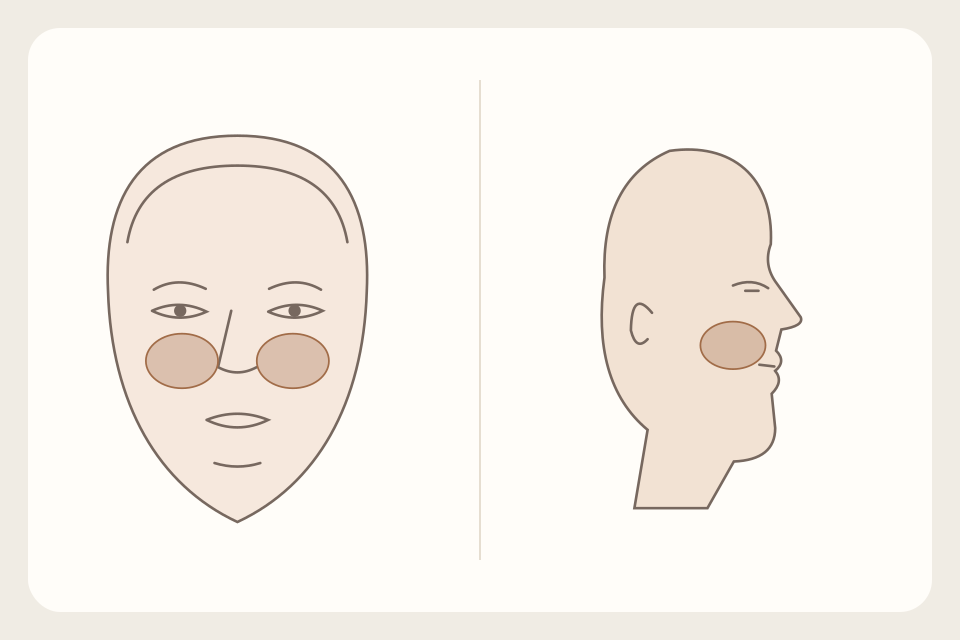
The anterior cheek below the eye is assessed for forward volume and its transition into the lower eyelid and nasolabial area. Facial expression is considered alongside resting shape.
Anterior Cheek Fat Grafting is available at QD Clinic in Gangnam, Seoul, Korea.

is this for me
Who it’s for
Even if none of these describes you, we will look again at the consultation.
- People seeking assessment of a local hollow that may reflect soft-tissue volume loss
- People able to plan recovery and follow-up for both the face and donor area
- People who understand partial absorption, asymmetry and the possibility of further correction
This procedure does not move the cheekbone or directly lift descended tissue. Under-eye concerns and nasolabial folds do not all resolve with anterior cheek volume.
start with your concern
Before you pick a treatment name, start with the cause of your concern.
Even a treatment with the same name takes on a different role and scope depending on your current structure, the change you want, what you have had before and the recovery time you have.
Area and cause
Front and oblique views show the height and position of cheek volume. Smiling, skin laxity and under-eye hollowing are assessed separately.
Scope and limitations
This procedure does not move the cheekbone or directly lift descended tissue. Under-eye concerns and nasolabial folds do not all resolve with anterior cheek volume.
Follow-up
Swelling can make the cheek look large or feel firm when smiling. Expression and texture are reviewed before firm facial massage or pressure-based treatments resume.
the principle
How it works
Anterior Cheek Fat Grafting
The anterior cheek below the eye is assessed for forward volume and its transition into the lower eyelid and nasolabial area. Facial expression is considered alongside resting shape. Autologous fat grafting transfers prepared fat from a donor area, such as the abdomen or thighs, to supplement soft-tissue volume. The graft needs to establish a blood supply, and some fat may be absorbed. Retention and contour vary; a fixed survival rate or permanently unchanged shape cannot be promised. This procedure does not move the cheekbone or directly lift descended tissue. Under-eye concerns and nasolabial folds do not all resolve with anterior cheek volume.
How it works
Area and cause
Front and oblique views show the height and position of cheek volume. Smiling, skin laxity and under-eye hollowing are assessed separately.
Harvest and preparation
The surgeon assesses donor fat and skin, then plans anaesthesia and harvesting. The harvested fat is prepared, and wound care and recovery at the donor site are explained alongside facial recovery.
Placement and review
Placement is distributed according to tissue thickness and local vascular and nerve anatomy. Excessive filling in one session is avoided, and any further correction is considered after swelling and absorption have been reviewed.
the qd standard
The same treatment, never the same plan.
Rather than a fashionable name or a fixed package, we weigh the structure found at examination, safety, recovery and the limits within one plan.
- DIAGNOSIS FIRST
Cause before name
We first separate out the tissue and the function behind your concern.
- LESS, PRECISE
Only as much as needed
Rather than an excessive change, we plan the smallest scope with a clear role.
- HONEST LIMIT
The limits, explained too
We explain the change you can expect, the alternatives, individual differences and the risks.
personal plan
From consultation to follow-up, planned as one flow.
The anterior cheek below the eye is assessed for forward volume and its transition into the lower eyelid and nasolabial area. Facial expression is considered alongside resting shape.


Area and cause
Front and oblique views show the height and position of cheek volume. Smiling, skin laxity and under-eye hollowing are assessed separately.
Harvest and preparation
The surgeon assesses donor fat and skin, then plans anaesthesia and harvesting. The harvested fat is prepared, and wound care and recovery at the donor site are explained alongside facial recovery.
Placement and review
Placement is distributed according to tissue thickness and local vascular and nerve anatomy. Excessive filling in one session is avoided, and any further correction is considered after swelling and absorption have been reviewed.
What the procedure is like
- Front and oblique views show the height and position of cheek volume. Smiling, skin laxity and under-eye hollowing are assessed separately.
- The surgeon assesses donor fat and skin, then plans anaesthesia and harvesting. The harvested fat is prepared, and wound care and recovery at the donor site are explained alongside facial recovery.
- Placement is distributed according to tissue thickness and local vascular and nerve anatomy. Excessive filling in one session is avoided, and any further correction is considered after swelling and absorption have been reviewed.
Anaesthesia and duration are planned after assessment of the recipient areas, donor site and health. Arrange transport home and early follow-up before surgery.
Please read this before treatment
- Swelling can make the cheek look large or feel firm when smiling. Expression and texture are reviewed before firm facial massage or pressure-based treatments resume.
- Avoid firm pressure or rubbing over the graft. Follow individual advice on washing, sleep position and exercise, and check whether donor-site dressings or compression are needed.
Safety & considerations
Possible complications
- Swelling, bruising, pain, bleeding, infection, scarring or altered sensation can affect the face and donor area.
- Absorption, asymmetry, overcorrection, undercorrection, irregularity, nodules, fat necrosis or oil cysts may occur.
- Rare vascular complications can cause skin injury, visual loss or neurological injury; anatomical assessment is essential.
Before surgery
- Describe previous fillers, fat transfer, implants and facial operations, including dates, locations and materials.
- Report medicines, supplements, allergies, bleeding conditions, smoking and recent weight changes; do not stop prescribed medicine yourself.
Sudden visual changes, severe pain, pale or dark skin, difficulty speaking or limb weakness require emergency assessment. Rapidly increasing swelling, fever or discharge also need prompt medical review.
what to expect
What to expect over time
A general guide to how the days and months after treatment usually unfold. Results vary by individual.
Early care
Avoid firm pressure or rubbing over the graft. Follow individual advice on washing, sleep position and exercise, and check whether donor-site dressings or compression are needed.
Follow-up
Facial swelling, colour and texture are reviewed together with donor-site wounds. Early asymmetry is not automatically the final outcome, but sudden pain or colour change must not wait.
Contour assessment
Volume is reassessed with photographs and examination over the months in which swelling and absorption settle. Remaining hollows and tissue condition guide whether and when another graft is appropriate.
Sessions & results
Swelling can make the cheek look large or feel firm when smiling. Expression and texture are reviewed before firm facial massage or pressure-based treatments resume. Volume is reassessed with photographs and examination over the months in which swelling and absorption settle. Remaining hollows and tissue condition guide whether and when another graft is appropriate.
how it compares
How it compares
This procedure does not move the cheekbone or directly lift descended tissue. Under-eye concerns and nasolabial folds do not all resolve with anterior cheek volume.
| Anterior Cheek Fat Grafting | Hyaluronic acid filler | |
|---|---|---|
| Scope and limitations | Autologous fat grafting transfers prepared fat from a donor area, such as the abdomen or thighs, to supplement soft-tissue volume. The graft needs to establish a blood supply, and some fat may be absorbed. Retention and contour vary; a fixed survival rate or permanently unchanged shape cannot be promised. | A manufactured gel adds local volume without fat harvesting. Suitability and duration depend on the product and area, and vascular complications remain possible. Equivalent amounts or recovery cannot be assumed. |
before consultation
Before you decide, the questions people always ask
The anterior cheek consultation focuses on forward volume below the eye. The lateral cheek concerns hollows below the cheekbone towards the side of the face. The areas connect, but placement and effects on perceived facial width differ. Examination and several photographic views help select the area that actually needs support.
Cheek shape changes as the facial muscles move. Planning therefore includes smiling as well as a resting photograph. If smiling already produces marked projection, additional volume is considered conservatively. Early swelling also adds fullness, so the settled expression is reviewed later.
The areas meet, but the depth and thickness of their tissues differ. Assessment separates deficient cheek support, a true under-eye hollow and a protruding fat pad. Supporting the cheek may change the transition without addressing every lower-eyelid cause. A separate under-eye assessment may be needed to avoid excessive filling across the boundary.
Strong pressure and rubbing can disturb healing tissue and access wounds. Do not restart deep massage or pressure-based facial devices without advice. The team reviews swelling, tenderness, texture and skin before setting a return plan. A lump should be examined rather than rubbed in an attempt to flatten it.
Related surgeries
 Fat grafting
Forehead Fat Grafting
qd Forehead Fat GraftingOwn fat may supplement a flat or locally hollow forehead. Assessment considers frontal symmetry, the profile curve and the transition from the brows to the hairline.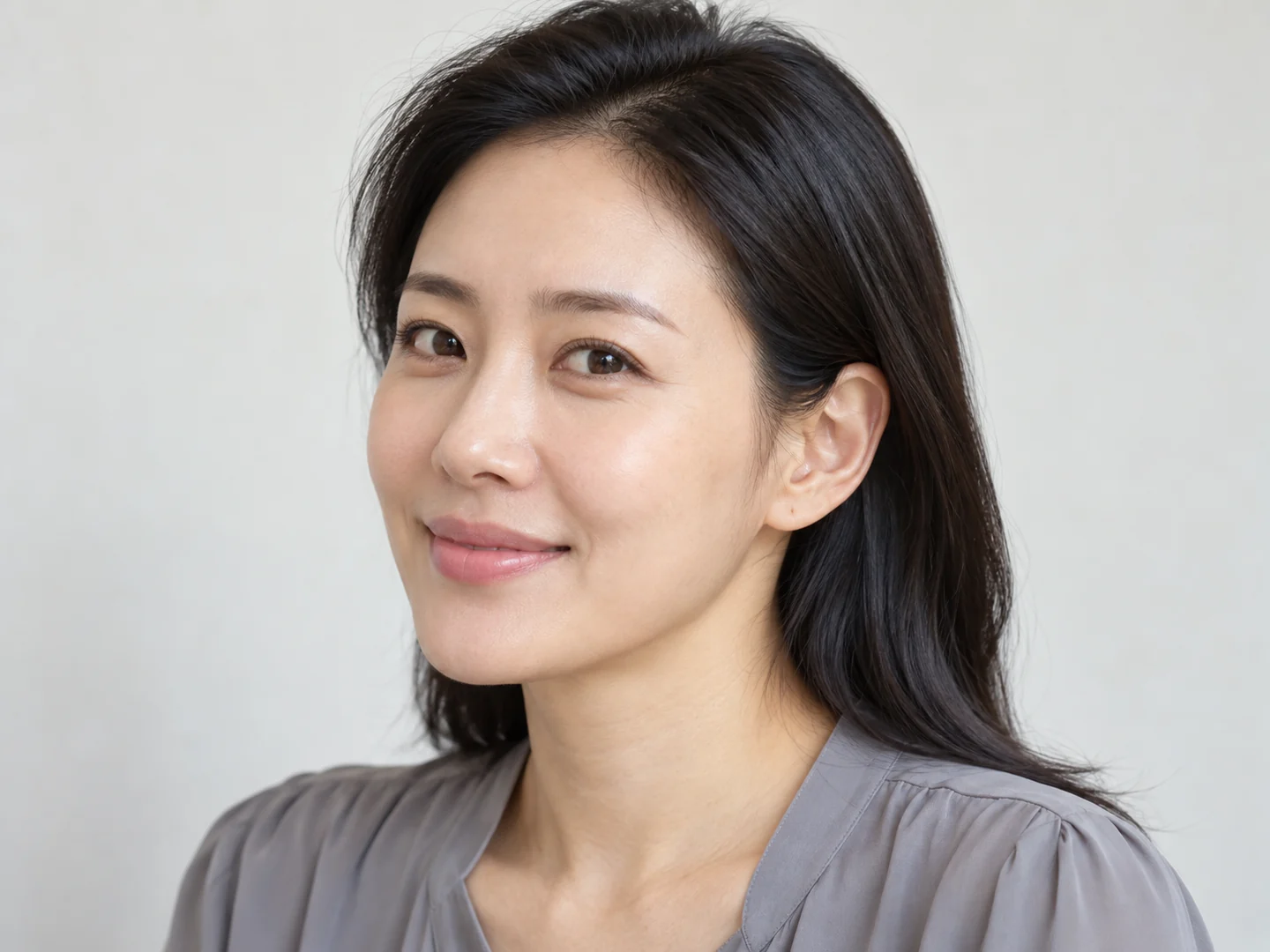 Fat grafting
Temple Fat Grafting
qd Temple Fat GraftingTemple hollows are assessed along the transition between the outer forehead and cheekbone. Differences in tissue volume, muscle movement and the two sides guide planning. Fat grafting
Lateral Cheek Fat Grafting
qd Lateral Cheek Fat GraftingLocal hollows beneath the cheekbone and along the side of the face may be supplemented with own fat. Skin laxity, facial width and recent weight changes affect the plan. Fat grafting
Under-Eye Fat Grafting
qd Under-Eye Fat GraftingThe tear trough and lower-eyelid-to-cheek transition are checked for a true volume deficit. Thin skin, protruding fat, swelling and pigmentation are distinguished before grafting is considered. Fat grafting
Nasolabial Fold Fat Grafting
qd Nasolabial Fold Fat GraftingHollowing and skin folding between the nostril and mouth are assessed separately. The plan considers volume support, facial movement and descent of the midface. Fat grafting
Chin Fat Grafting
qd Chin Fat GraftingSoft-tissue deficiency at the chin and the transition from the lower lip are assessed. Profile projection, frontal width and symmetry guide the scope of fat transfer.
personal consultation
Tell us what bothers you now, the change you want, what you have had done before and any dates that matter. We will compare the possible approaches and their limits, calmly.
Consult now