Stem Cell Hair Treatment
qd stem cell hair treatment
Stem Cell Hair Treatment places stem-cell-based material in the scalp with the aim of supporting the environment around thinning hair. The same “stem cell” name covers materials from fat, blood, bone marrow and other sources, processed in different ways, so at QD Clinic in Gangnam, Seoul, South Korea, we first explain the actual material and processing, examine the type of hair loss and then decide whether it suits you. It does not replace established hair-loss treatment.
Stem Cell Hair Treatment is available at QD Clinic in Gangnam, Seoul, Korea.

is this for me
Who it’s for
Even if none of these describes you, we will look again at the consultation.
- You take hair-loss medication but thinning still concerns you
- Your hair has thinned but the follicles are still there
- You want to hear the evidence and limits of regenerative care before deciding
It has not been shown to create new follicles where the scalp has already become smooth and bare. Such areas may need a different approach.
start with your concern
Before you pick a treatment name, start with the cause of your concern.
Even a treatment with the same name takes on a different role and scope depending on your current structure, the change you want, what you have had before and the recovery time you have.
Where you are now, and where we start
Where the stem-cell material comes from, how it is processed, Korean regulation and the hair-loss evidence
The change you want, the impression you keep
It has not been shown to create new follicles where the scalp has already become smooth and bare. Such areas may need a different approach.
How it differs from similar options
All three are supportive treatments for the area around the follicle, but what goes in differs.
Health information and recovery schedule
Redness, tenderness and small bruises at injection sites usually settle within a few days.
the principle
How it works
Before the name “stem cell”: what was obtained, from where, and how it was processed.
Stem-cell materials used in hair-loss research vary in source and form: stromal vascular fraction (SVF) from fat, adipose stem cell conditioned medium, cells from hair follicles, bone marrow mononuclear cells and others. Some use the cells themselves, others only what cells release. The hypothesis is that signals such as growth factors may influence the follicle environment and hair thickness, but results differ by material and cannot be summed up as one effect.
How it works
A different source is a different treatment
Fat, blood, bone marrow and follicles differ greatly in the type and number of cells they contain. Sharing the name “stem cell” does not let one borrow another’s evidence.
Cells, or what cells release?
Injecting living cells differs from using only cell products such as conditioned medium or exosomes. Which one it is changes both the risks and the regulation.
Culture and Korean regulation
In Korea, cells manipulated beyond simple separation, washing, freezing and thawing — for example by culturing — are regulated under the Advanced Regenerative Bio Act and the Pharmaceutical Affairs Act and cannot be used outside the set approval process. Ask whether cells are cultured and on what legal basis before treatment.
Follicles need to be present
Most studies enrolled people with male or female pattern thinning. There is no established evidence that new hair grows where follicles have been lost.
the qd standard
The same treatment, never the same plan.
Rather than a fashionable name or a fixed package, we weigh the structure found at examination, safety, recovery and the limits within one plan.
- DIAGNOSIS FIRST
Cause before name
We first separate out the tissue and the function behind your concern.
- LESS, PRECISE
Only as much as needed
Rather than an excessive change, we plan the smallest scope with a clear role.
- HONEST LIMIT
The limits, explained too
We explain the change you can expect, the alternatives, individual differences and the risks.
personal plan
From consultation to follow-up, planned as one flow.
Stem Cell Hair Treatment places stem-cell-based material in the scalp with the aim of supporting the environment around thinning hair. The same “stem cell” name covers materials from fat, blood, bone marrow and other sources, processed in different ways, so at QD Clinic in Gangnam, Seoul, South Korea, we first explain the actual material and processing, examine the type of hair loss and then decide whether it suits you. It does not replace established hair-loss treatment.


The material, explained first
Before treatment we explain the source and processing of the material, whether it is cultured and the route, and answer your questions.
An order that fits the diagnosis
For active male or female pattern hair loss, evidence-based medication comes first and this treatment is supportive.
Assuming it may be temporary
Some studies saw effects fade after a few months, so whether to continue is decided together from photo-based progress.
What the procedure is like
- Magnified scalp examination, history and medication review to diagnose the type of hair loss.
- The source, processing and route of the material and the reactions to expect are explained, and consent is obtained.
- After disinfection and pain control, the planned scalp area is treated.
- The treated area is checked, and aftercare and contact details are given before you leave.
- A schedule is set to review progress with photos under the same light and angle.
Visit length varies widely with how the material is prepared. At consultation, ask how long the treatment day will take.
Please read this before treatment
- Redness, tenderness and small bruises at injection sites usually settle within a few days.
- On the day, avoid rubbing the scalp, saunas, alcohol and strenuous exercise.
- If material was collected from another site, follow the separate aftercare for that site.
Safety & considerations
Reactions that can occur
- Pain, redness, bruising or minor bleeding at injection sites
- Scalp dermatitis or itching (reported in some studies)
- Rarely, infection — possible at any stage of collecting, processing and injecting
Tell us first if any of these apply
- Infection, inflammation or wounds on the treated scalp
- A bleeding disorder or anticoagulant or antiplatelet medication
- Current or past cancer treatment, or weakened immunity
- Pregnancy, breastfeeding or a recent scalp procedure
Stem Cell Hair Treatment does not cure hair loss or guarantee a result, and outcomes vary between people. Contact us straight away for warmth, pus or worsening pain, and do not stop prescribed hair-loss medication on your own.
what to expect
What to expect over time
A general guide to how the days and months after treatment usually unfold. Results vary by individual.
Same day
Redness, tenderness or small bruises may appear at injection sites. If material is collected, that site is checked for pain too.
Weeks 1–2
Redness and bruising settle. Warmth, pus or worsening pain can signal infection — contact us straight away.
Months 3–6
Studies generally assessed changes in hair density after several months. Photos taken under the same conditions are compared.
After that
Some studies reported effects fading after about 3–9 months, so whether to maintain is discussed again based on progress.
Sessions & results
There is no set standard for the number of sessions or the interval. A 2024 systematic review of 12 randomised trials (514 patients) reported stem-cell-based treatments as generally safe with increases in hair density, but materials, doses and methods varied too much to pool, and some effects were temporary. Repeat treatment is decided from progress.
how it compares
How it compares
All three are supportive treatments for the area around the follicle, but what goes in differs.
| Stem Cell Hair Treatment | PRP Hair Treatment | Exosome Scalp Treatment | |
|---|---|---|---|
| Material | Stem-cell-based material (source explained at consultation) | Platelet-rich plasma concentrated from your blood | Rose-callus exosome product (ASCE+ SRLV) |
| How it goes in | Injected into the scalp | Injected into the scalp | Applied after MTS opens channels |
| Living cells | Depends on the material | None (platelet and plasma components) | None (extracellular vesicles) |
| Evidence | Mostly small randomised trials; temporary effects reported | Several randomised trials with varied methods | A case report and small observational studies |
None of the three replaces standard oral or topical medication. What to combine is decided after the type of hair loss and the scalp are examined.
before consultation
Before you decide, the questions people always ask
Small studies in thinning hair have reported increases in density and thickness, but there is no evidence that it creates new follicles. A 2024 systematic review also noted small study sizes, varied methods and some temporary effects. We discuss realistic expectations at consultation.
In Korea, using cells manipulated beyond simple separation, washing, freezing and thawing — such as cultured cells — requires review and approval at a designated regenerative medicine institution under the Advanced Regenerative Bio Act. If you are told cultured cells will be injected without that process, check the legal basis first.
Scalp PRP concentrates the platelet component of your own blood and is not a stem cell treatment. Stem cell treatment is regenerative care using cells or their products, with a different preparation, cost and kind of evidence. After examination we explain which suits you.
There is no fixed duration. Some studies reported effects fading after about 3–9 months, so the need for maintenance is decided from photo-based progress. Continuing prescribed hair-loss medication matters for keeping results.
Generally not. A transplant is surgery that moves follicles from the back of the head, while stem cell treatment aims to support the thin hair that remains. Large areas where hair is already gone may need a transplant consultation.
Active scalp inflammation or infection, ongoing cancer treatment or a bleeding problem mean postponing or considering another option. Pregnancy and breastfeeding, and hair loss with an immune cause such as alopecia areata, are also identified at examination first.
Look at the examination and the plan rather than the treatment name. First, what the clinic checks before deciding — at QD Clinic in Gangnam, Seoul, the first thing we look at for this treatment is “Where the stem-cell material comes from, how it is processed, Korean regulation and the hair-loss evidence”. Second, whether it explains why it recommends that scope and method, compared with the alternatives. Third, whether it reviews your progress with you when results are expected. Our doctor goes through these three points at consultation before the treatment is decided.
At QD Clinic in Gangnam, Seoul, South Korea. We are at 3F, 502 Gangnam-daero, Gangnam-gu, Seoul (Nonhyeon-dong, Seohee Building), a 4-minute walk from Exit 3 of Nonhyeon or Sinnonhyeon Station. Call +82-2-514-1650 or use the consultation form on this site to book a doctor’s consultation first.
Related treatments
 Hair & ScalpView details
PRP Hair Treatment
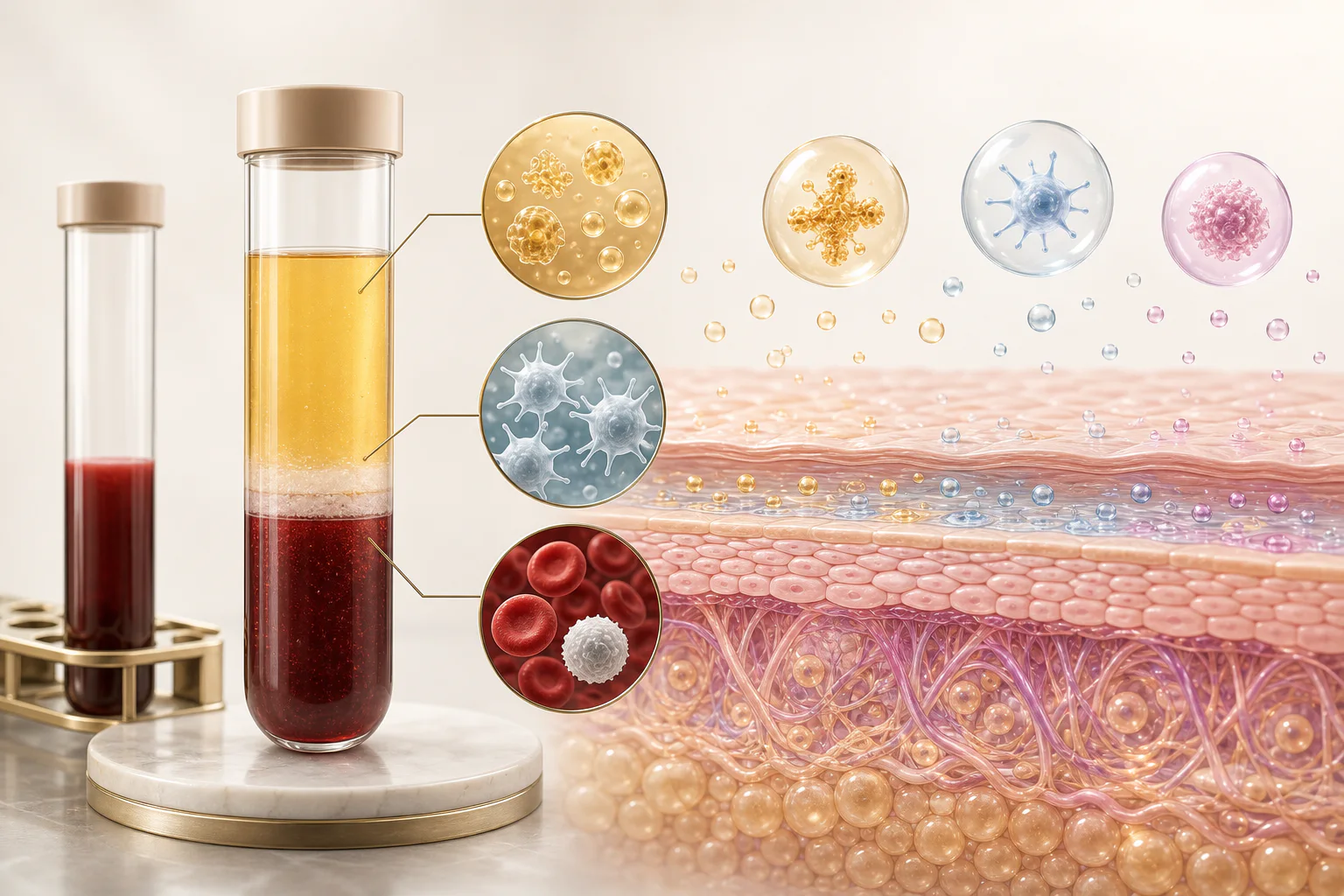
Platelets separated from your own blood, injected into the thinning areas of the scalp.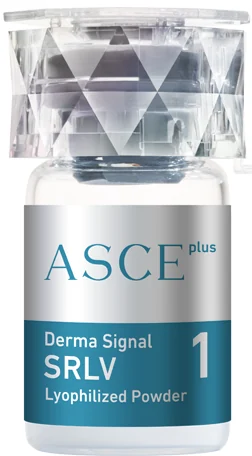 Hair & ScalpView details
Exosome Scalp Treatment
One set of the exosome product ASCE+ SRLV is mixed and applied after MTS opens fine channels in the scalp. Hair & ScalpView details
Female Hair Loss Treatment
Female-pattern loss, where the parting widens. We look at hormones, anaemia and changes after birth.- Hair & ScalpView details
Male Hair Loss Treatment
The hairline moves back and the crown thins. Method and order follow how far it has gone.  Hair & ScalpView details
Alopecia Areata Treatment
Hair lost suddenly in coin-shaped patches. We first check the area affected and any recurrence.

personal consultation
Tell us what bothers you now, the change you want, what you have had done before and any dates that matter. We will compare the possible approaches and their limits, calmly.
Consult now